Four Districts, One Weekend: A Tennis Fan's Tour of Hong Kong, Stop by Stop
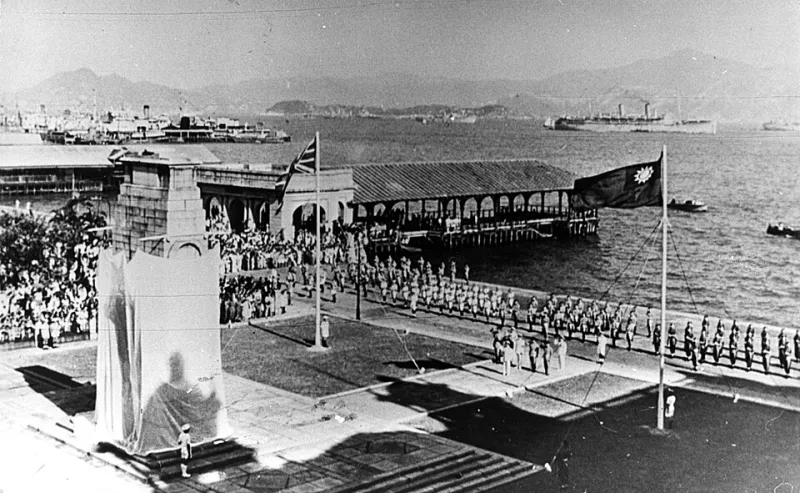
Photo: Unknown authorUnknown author, Public domain, via Wikimedia Commons
Most American fans land in Hong Kong with one goal: find the stadium, watch the tie, fly home. That's a mistake. This city is compact enough that you can build an entire tennis weekend around neighborhoods, each with its own personality — and each with courts, food, and fan-friendly corners worth your time.
Think of this as a stadium map laid over the whole city. Four stops, one weekend, zero wasted subway rides.
Stop 1: Causeway Bay and Victoria Park — The Heartbeat
If Hong Kong tennis has a living room, it's Victoria Park. The Davis Cup ties most locals remember happened here, on hard courts surrounded by high-rises instead of parking lots. Even when there's no tie on, the park courts hum from morning until the lights click off at night.
Come early, before your session, and walk the perimeter. You'll see juniors drilling before school, retirees running doubles ladders, and the occasional national-level player getting in a quiet hit. It's the closest thing to watching the pipeline up close — no ticket required.
Between sessions, Causeway Bay is your food engine. It's dense, loud, and gloriously unpretentious: cha chaan tengs serving milk tea and pineapple buns, dai pai dong stalls grilling noodles over open flame, and enough shopping malls to escape a sudden downpour. The MTR's Tin Hau and Causeway Bay stations put you within a ten-minute walk of the park.
Stop 2: Central — The Business District With a Backhand
Central is where Hong Kong does its money business, but it hides tennis in the hills above it. The courts up on the Mid-Levels and the public facilities tucked into the hillside neighborhoods give you a reminder that this city squeezes tennis into every vertical inch it has.
For the visiting fan, Central's real value is logistics. It's the transit hub of the entire territory — the Airport Express terminates here, the Star Ferry to Kowloon leaves from the waterfront, and the Mid-Levels escalator (yes, an escalator as public transit) is a genuinely fun way to climb the hill while you kill time between sessions.
Grab dinner in SoHo or along Wellington Street after an evening rubber. If you're watching ties on a delayed stream at your hotel, Central's cafes are where the expat tennis crowd debates draws over flat whites — eavesdropping is free.
Stop 3: Kowloon — Where the Locals Actually Play
Cross the harbor and you're in the part of Hong Kong that most tourists skip and most players call home. Kowloon's public courts — scattered through Mong Kok, Kowloon Tong, and down toward the waterfront in Tsim Sha Tsui — run at a booking pace that would make a NYC permit holder weep.
Kowloon Tong, in particular, has a clubby, neighborhood feel. It's residential, quieter, and home to facilities where a lot of the territory's junior development happens. If you want to understand why a city of 7 million produces Davis Cup players on a shoestring, watch a Saturday morning session here.
Food-wise, Kowloon wins the weekend outright. Mong Kok's street markets run into the night, Tsim Sha Tsui's dumpling houses and roast goose shops are worth planning your day around, and the harborfront promenade gives you the classic skyline photo — ideally with a racquet bag slung over your shoulder in the frame.
Transit tip: the MTR crosses the harbor in under five minutes. Don't bother with taxis unless it's late; the subway is faster, cheaper, and runs until around 1 a.m.
Stop 4: Sha Tin — The Quiet Training Ground
Head north on the East Rail line and the city loosens its grip. Sha Tin is greener, slower, and home to some of the territory's best public tennis infrastructure — the kind of multi-court complexes that American suburban players would recognize instantly.
This is a half-day trip, not a base. Pair it with the Hong Kong Heritage Museum, a riverside walk, or the famous dim sum in the neighborhood's older teahouses. If your tie weekend includes a rest day, Sha Tin is where you go to watch serious training sessions without crowds — a glimpse of the work that never makes the highlight reel.
Putting It Together
Here's the honest math: Hong Kong is roughly the size of a mid-size American metro, but with a subway that puts every stop above within 45 minutes of each other. You can do Victoria Park in the morning, Kowloon by afternoon, and still make an evening session with time to eat properly.
A few practical notes for US visitors:
- Get an Octopus card at the airport or any MTR station. It works on trains, buses, ferries, and convenience stores. It is the single best purchase of your trip.
- Book courts in advance if you want to play, not just watch. Public court booking opens on a rolling window and popular slots vanish fast.
- Carry cash for the small cha chaan tengs and market stalls — plenty still don't take foreign cards.
- Check the weather app constantly. A tie session delayed by rain is a great excuse to duck into a mall or a museum; know your backup plan before you need it.
The magic of a Hong Kong tennis weekend is that the sightseeing and the sport aren't competing for time. The courts sit inside the neighborhoods, the neighborhoods feed the fandom, and every MTR ride between them is a ten-minute window into the city that raised the players you're cheering for.
Skip the tour bus. Follow the tennis.