From Booking System to Baseline: How to Actually Play Tennis in Hong Kong on Your Next Trip
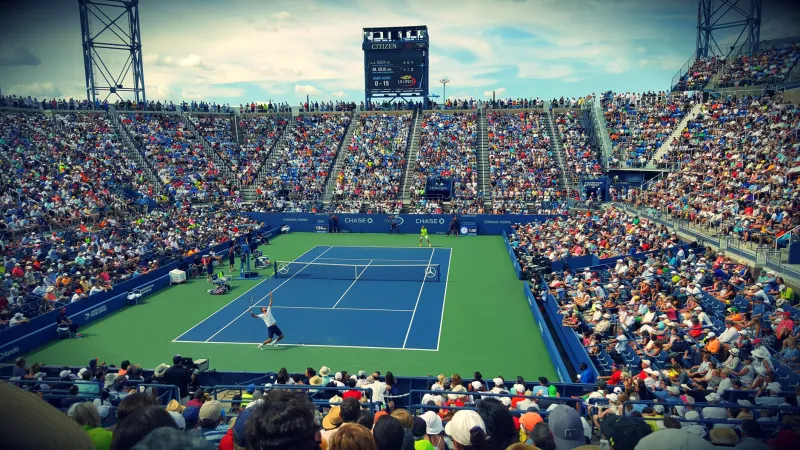
Let's be honest: most Davis Cup fans who travel to Hong Kong spend their whole trip on the sidelines. They watch the tie, eat their body weight in char siu, and fly home without ever picking up a racket. That's a mistake. Hong Kong has one of the best public tennis systems on the planet, and it's absurdly cheap. We're talking single-digit dollars — US dollars — per court session.
Here's how to make it happen.
The Booking System, Demystified
Most public tennis courts in Hong Kong run by the Leisure and Cultural Services Department (LCSD) can be booked through the Leisure Link system, either online or at any LCSD venue. The catch for visitors: full online booking typically requires a Leisure Link account, and some booking windows favor local ID holders.
Don't panic. You have options:
- Book on-site. Walk into any sports centre and book a court in person. Staff are used to tourists, and English is widely spoken. Same-day and next-day slots are often available, especially midweek.
- Ask a local friend or hotel concierge. If you've made friends at the tie (you will), a resident can book ahead for you.
- Play off-peak. Prime evening slots (7–10 PM) vanish fast. But weekday mornings? Wide open. You can often just walk up and pay the hourly fee — usually somewhere in the range of $2–8 USD per hour, depending on whether the courts are floodlit.
Peak booking times matter: new booking windows open at set times (typically 7 AM local, which is 6 or 7 PM the night before US Eastern — set that alarm, you're good at it by now).
What to Pack (and What to Buy There)
Court shoes are the one non-negotiable. Hong Kong hard courts are abrasive, and many venues will turn you away in running shoes. Bring your own if you have room in the bag.
Everything else is optional. Tennis balls are available at Sportsline and Decathlon in Kowloon for reasonable prices, and rackets can be rented at some venues or borrowed from a hitting partner. If you're a frequent traveler, a lightweight frame and two cans of balls add maybe three pounds to your luggage. Worth it.
Where to Play: The Waterfront Shortlist
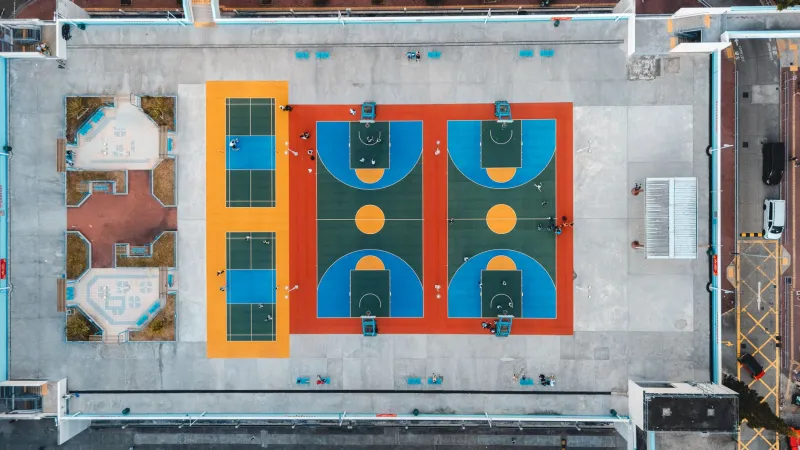
This is where Hong Kong spoils you. A few standouts:
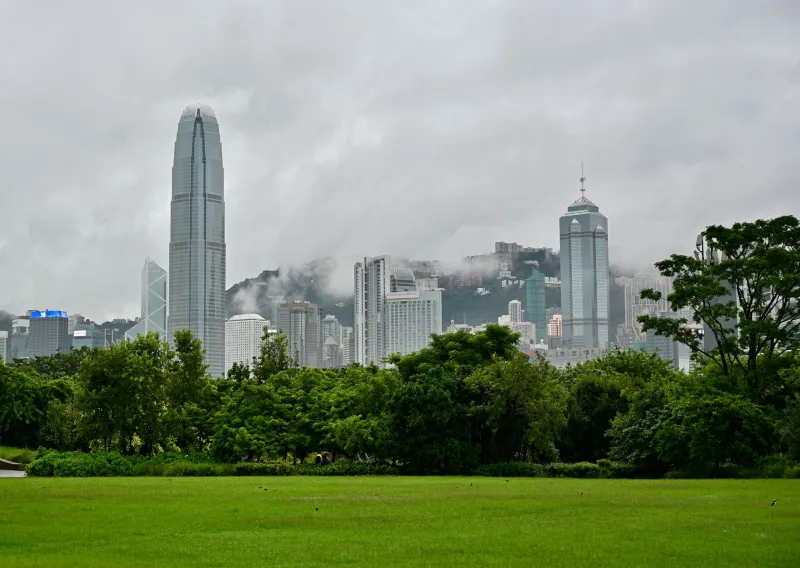
- Victoria Park, Causeway Bay. The classic. Multiple courts in the middle of the city, steps from the MTR, with towers looming on all sides. It's loud, urban, and completely addictive.
- Sai Kung District courts. Out east, near beaches and hiking trails. Pair a morning hit with a seafood lunch by the pier.
- Kowloon Tsai Park. Solid facilities, fewer tourists, and a real local feel. This is where you'll get roped into a rotating doubles set with retirees who will absolutely pick you apart.
- Waterfront venues across the harbour. Several courts in Kennedy Town and the New Territories offer glimpses of Victoria Harbour. Nothing beats finishing a set as the sky turns orange over the water.
Etiquette: The Unwritten Rules
Expat players who've logged years on Hong Kong courts share a few pointers:
- Be on time. Your slot starts and ends on the hour. Courts are swept and players queue up behind you. Overstaying is the fastest way to make enemies.
- Quiet, please. Hong Kong courts are close to homes and other players. Keep the grunting and the racket-throwing in check.
- Embrace the doubles culture. Singles takes a back seat. If a court is shared, you'll rotate in four-person formats. It's social, it's efficient, and it's a great way to meet people.
- Carry your ID or booking confirmation. Attendants do check.
The Payoff
There's something surreal about rallying under floodlights while a typhoon-warning signal flickers on your phone, or shaking hands with a retired banker who just beat you 6-3 in rotating doubles. Playing on the same public courts where future Hong Kong Davis Cuppers learned the game gives you a feel for this tennis scene that no stadium seat can.
So next time a tie brings you to town — or you're just passing through — pack the racket. The courts are waiting, and they cost less than an airport coffee.