Two Singles and a Dream: Following Hong Kong's Women Through the Billie Jean King Cup Trenches
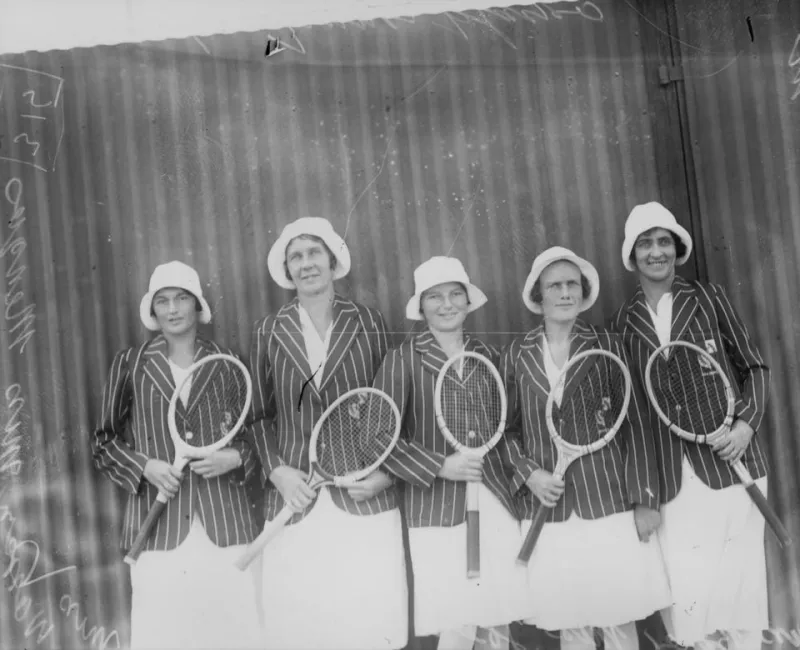
Photo: Unknown, Public domain, via Wikimedia Commons
Every spring, American tennis Twitter briefly remembers that international team tennis exists, argues about the Davis Cup format for about forty-eight hours, and moves on. Meanwhile, on the other side of the world, Hong Kong's women are grinding through their own international team competition — one that most US fans have never watched a single rubber of, even though it carries the name of arguably the most important American athlete of the twentieth century.
Time to fix that.
The Cup That Carries Her Name
Quick history lesson, because it matters. The competition now known as the Billie Jean King Cup started life in 1963 as the Federation Cup, dreamed up to celebrate the ITF's fiftieth birthday. For more than half a century it lived in the Davis Cup's shadow, and in 2020 the sport finally did the obvious thing: it renamed the whole event after Billie Jean King, the first time a major global team competition has ever been named for a woman.
For American fans, that name should hit different. This is the legacy of the Houston Astrodome in September 1973, when roughly ninety million people watched the Battle of the Sexes. It's the same year the US Open became the first Grand Slam to pay women and men equally. When you put on a Billie Jean King Cup tie, you're not watching some random team event. You're watching the tournament that legacy built.
What a Hong Kong Tie Week Actually Looks Like
Here's the part nobody shows you on TV, mostly because nobody's filming. Hong Kong's women don't play in sold-out arenas with fireworks and player walkouts. They compete in the Asia/Oceania zonal groups, which means pool play, round-robin ties, and usually several matches crammed into a single week — often in a different country every year, on surfaces and in climates nobody trained for.
The modern zonal format is best-of-three: two singles rubbers and, if it comes to that, a doubles decider. That turns every lineup announcement into a chess move, and it makes the doubles rubber genuinely decisive in a way doubles almost never is on tour. Squads are small. Support staff are smaller. The captain is juggling singles form, doubles chemistry, and whoever's nursing a tweak from the tie two days ago. The gap between winning the zone and another year in the trenches can come down to a second-set tiebreak on a random Wednesday morning.
The Roster: A College Tennis Pipeline With a Hong Kong Return Address
If you follow NCAA tennis even casually, this is where you should perk up. The backbone of Hong Kong's women's program has run through American college tennis for years, and the clearest example is Eudice Chong, who starred at Wake Forest, earned All-American honors, and helped the Demon Deacons reach an NCAA team final before coming back to lead Hong Kong's charge.
That's the model, and it's a smart one for a city with limited court space and a shoestring budget: develop in Hong Kong's tight junior scene, sharpen up against elite depth in the NCAA, then bring that experience home when tie weeks roll around. It also explains the team's doubles-first identity — the same blueprint the men's Davis Cup squad has leaned on. When your roster is thin and the format is two singles plus a doubles decider, you build a doubles team that can steal a tie. Hong Kong's women have been playing that brand of team tennis for a while now.
Why This Deserves a Slot on Your Calendar
Honest question for the American tennis fan: if you celebrate Billie Jean King's legacy every September during the US Open — and you should, because the equal prize money thing alone earns her that — doesn't it follow that you'd watch the competition wearing her name?
The ties are genuinely good television. These are competitive underdog stories, played by women fighting for promotion with a fraction of the funding and coverage their male counterparts get, in front of crowds that could fit in a corner of Arthur Ashe. The streaming is free on the BJK Cup's official platforms. And the time zones actually work in your favor for once — morning ties in Asia mean coffee, breakfast, and live tennis before work, instead of the 2 a.m. Davis Cup vigils we've all pulled.
There's something refreshing about rooting with no stakes attached to your own ego, too. No bracket shame, no hot takes, no discourse. Just scrappy, meaningful team tennis, played by athletes who mostly do it for the flag on the chest and the chance to move their country up a group.
The Point
Hong Kong's men get plenty of ink on this site, and honestly, they've earned the coverage. But the women in the same uniform are playing the same fight with fewer resources and a fraction of the attention — and doing it in a competition named for the woman who fought that exact battle half a century ago.
Watching them costs you a morning and a coffee. Billie Jean would tell you that's the easiest ticket in tennis.
She'd be right.