Three Days, One Tie, Zero Burnout: How Hong Kong's Davis Cup Weekend Cured My Tennis Fatigue
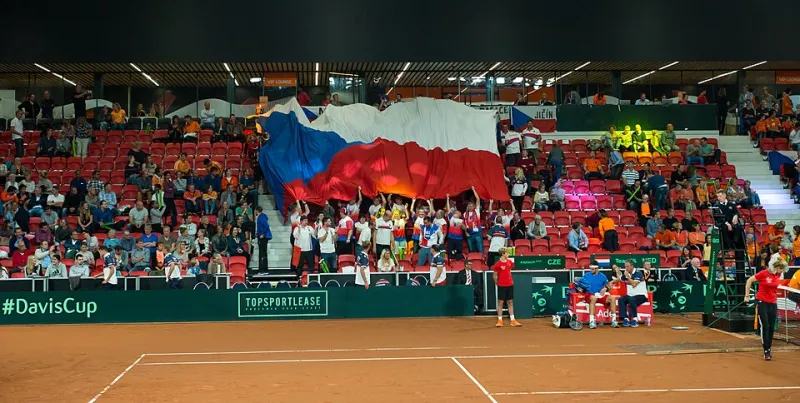
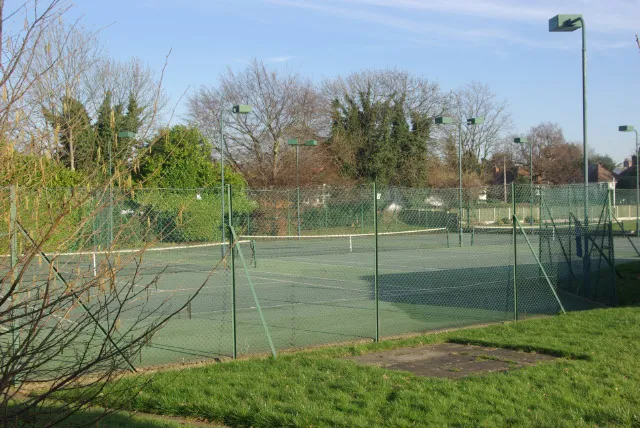
Photo: rb-photo*, CC BY 2.0, via Wikimedia Commons
I've been to a lot of tennis. Indian Wells in the desert heat, a humid US Open night session where I spent more on a chicken tenders basket than on my first racquet, a forgettable ATP 250 in a half-empty arena that shall remain nameless. And I'll be honest: somewhere along the way, the sport started to feel like homework. Rankings math, draw watching, the slow drip of a ten-month season where every tournament looks like the last one.
Then I spent a weekend at a Davis Cup tie in Hong Kong, and something clicked back into place.
What a Tie Actually Is (And Why That Matters)
Quick refresher for the uninitiated, because the format still confuses people: a Davis Cup tie is a head-to-head series between two nations, usually played over a weekend. Singles on Friday and Sunday, doubles in the middle. No round of 64. No second week. Two teams, a handful of matches, and one flag going home happy.
That's it. That's the whole tournament. And that constraint, it turns out, is the magic.
At the Hong Kong tie I attended, the venue was compact — you could walk from the concession stand to your seat in under two minutes, and every seat in the house felt like it was on top of the baseline. Compare that to the cavernous outer courts of a Masters 1000, where you can wander for twenty minutes between matches and feel like you're in an airport terminal with a scoreboard.
The Crowd Is a Character, Not a Background
Here's the thing that no tour stop in the US has quite replicated: a crowd that is unambiguously, unapologetically for someone.
American sports fans know this feeling from every other sport we watch. College football. The NBA playoffs. World Cup watch parties at 6 a.m. We understand tribal intensity — we just rarely get to experience it in tennis, a sport engineered to be scrupulously neutral. The ATP experience is often a polite golf-clap atmosphere where cheering too loudly during a second serve gets you side-eye from the guy in the polo next to you.
At the Hong Kong tie, the home crowd sang. They gasped in unison at break points. When the Hong Kong No. 2 — a guy ranked outside the top 400, fighting way above his weight against a touring pro — clawed out a hold in the third set, the noise was genuinely startling. Nobody was there to "see the tennis." They were there because it was their team.
Every Point Has Stakes You Can Feel
The tour's problem isn't quality. It's context. A Tuesday afternoon second-round match in Cincinnati means almost nothing, and everyone in the stadium knows it.
In a Davis Cup tie, every rubber is a chapter of a finite story. A Friday singles loss isn't just a loss — it puts your team in a 0-1 hole that colors everything that follows. The doubles rubber becomes a genuine pressure cooker, because teams live or die on it. By Sunday, with the tie possibly on the line, you've got players leaving everything on a court the size of a grocery store aisle, in front of a few thousand people who will remember the result for years.
Show me a first-round tour match with that kind of weight. They exist only in finals.
The Small-Nation Effect
Hong Kong, to be clear, is not a tennis superpower. The roster is assembled from a mix of homegrown players and dual citizens, the budget wouldn't cover one week of a top ATP player's travel entourage, and the team routinely gets drawn against nations with far deeper benches.
And that's exactly why it's compelling. When a Hong Kong player wins a set against a heavily favored opponent, it doesn't feel like an upset in the abstract — it feels like a miracle with a scoreboard. You don't need to know a single player's name walking in. By the end of the first set, you'll have a favorite.
What US Tennis Could Take From This
I don't think the ATP model is broken, exactly. But I do think American tennis fans are being offered one product — the individual grind — when what they're actually hungry for is what every other US sport already delivers: team stakes, national identity, and a finite season with real consequences.
The fix doesn't require a revolution. It requires attention. Watch a tie. Pick a small nation — Hong Kong is a great pick, and I'm clearly not neutral on this — and follow them through a campaign. Set your alarm for the weird time zones. Learn two or three names. Feel the difference between a sport as a calendar and a sport as an event.
I walked out of that tie hoarse, slightly sunburned, and more invested in three sets of tennis than I'd been in three months of tour events. The ATP gives you tennis every week. Davis Cup gives you tennis that matters a few times a year.
Turns out, scarcity is the best marketing there is.