When the Sky Calls Timeout: Inside Hong Kong's Weather Chess at Davis Cup Ties
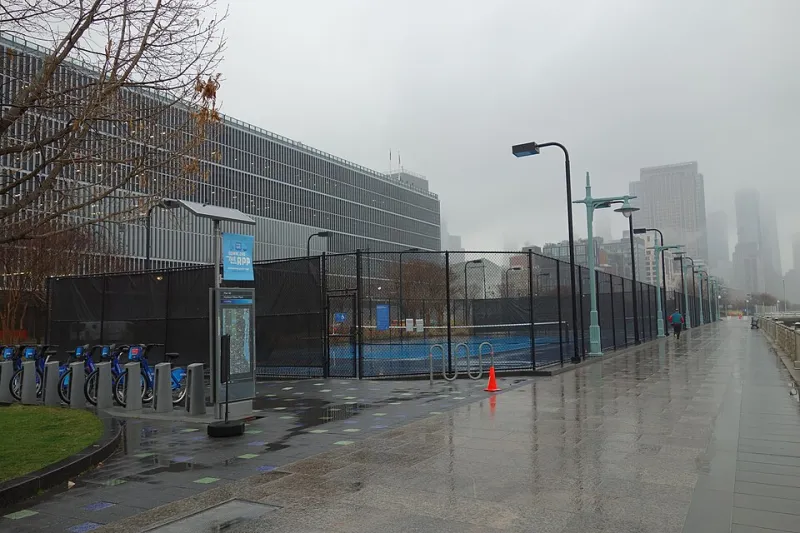
Photo: Tdorante10, CC BY-SA 4.0, via Wikimedia Commons
If you've ever watched a Davis Cup tie in the United States, you know the rhythm: doors open, anthems play, first serve at a reasonable hour, everyone home in time for the late NFL window. Tennis happens on tennis's schedule, and the sky mostly stays out of it.
Hong Kong does not work that way.
Here, the weather is less a backdrop and more a third team — one that doesn't shake hands at the net and absolutely does not care about your doubles pairing. Typhoon warnings, 90-percent humidity, and rain squalls that arrive like they've got tickets courtside can turn a tidy weekend tie into a logistical puzzle that would make an airline dispatcher sweat.
The Forecast Is a Lineup Decision
Start with the basics: Hong Kong's ties are frequently played outdoors on courts that, unlike Arthur Ashe Stadium, do not come with a roof. That means the referee's schedule — the official document that says who plays when — is less a contract and more a suggestion.
Captains learn to think like weathermen. If the morning radar shows a band of rain rolling in off the South China Sea around 2 p.m., does you push your freshest legs into the opening singles to finish fast? Do you bench your doubles specialist and save him for a possible Sunday reshuffle? One Hong Kong team insider compared it to an NFL coach managing a two-minute drill: "You're not just picking players. You're picking time slots."
And unlike a rain delay in Flushing, where play pauses and resumes on the same day, a Hong Kong downpour can compress an entire tie. Matches bleed into each other. A Friday singles rubber might finish Saturday. The doubles — already the tie's pivot point — might get bumped to a damp evening with nothing on the line but momentum and dignity.
Humidity: The Silent Sixth Man
Rain gets the headlines, but humidity does the dirty work. From May through September, Hong Kong's air is thick enough to drink. Balls get heavy. Grips turn to soap. Rallies that would be crisp highlight-rel shots in Dallas turn into soggy, lung-busting grinds.
Visiting teams from temperate climates often look like they're wearing weighted vests by the second set. Home players, who train through this soup year-round, treat it as an edge. Several Hong Kong squad members have talked about doing fitness blocks in the worst weeks of summer specifically so a humid Davis Cup weekend feels like a light jog. It's altitude training, minus the altitude, plus the sweat.
Smart visiting captains counter with ice vests, extra racquets (humid string beds go dead faster), and aggressive scheduling — finish points early, because five-shot rallies become fifteen-shot rallies when the air weighs ten pounds.
Typhoon Signals and the Referee's Whistle
Then there's the big one. Hong Kong runs a numbered typhoon signal system, and when the Observatory hoists Signal 8, the city essentially closes. Ferries stop. Offices empty. And yes, tennis stops — dead.
Referees and tournament staff build contingencies for this the way American venues build contingencies for lightning. There are protocols for shortening warm-ups, rearranging rubbers, and in extreme cases playing ties on compressed schedules where the doubles and reverse singles land on the same day. Fans who show up with a two-day plan can end up watching a marathon Sunday session that feels more like a cricket test match than a tennis weekend.
For American fans used to the rigid choreography of the U.S. Open, it can feel chaotic. Locals just call it Tuesday.
Why the Chaos Cuts Both Ways
Here's the part that gets glossed over: all this unpredictability isn't just a headache. It's a weapon.
A visiting team that's mentally locked into a tidy schedule gets rattled when the tie fractures into fragments. Waiting around is corrosive — players overthink, stiffen up, lose the plot. Hong Kong's squads, steeped in stop-start conditions since junior tennis, treat delays as background noise. The home crowd, meanwhile, has nowhere better to be and will happily wait out a squall with a milk tea in hand, then roar back to life the moment play resumes.
Home-court advantage in Davis Cup is usually about crowd noise and surface choice. In Hong Kong, it's also about who tolerates the sky better. And after decades of typhoons, that's not much of a contest.
A Fan's Field Guide
If you're an American making the trip — and you should — a few practical notes:
- Build slack into your itinerary. Do not book a flight out Sunday night. A rain-affected tie can run long, and you'll want to see the finish.
- Pack for three seasons in one day. Sunscreen, a packable rain shell, and a spare shirt. You'll use all three.
- Follow the Hong Kong Observatory app, not just the tournament's socials. Signal 8 means everything pauses, full stop.
- Embrace the delay. Some of the best match-watching conversations happen under a sheltered grandstand while the grounds crew squeegees the baseline.
The weather in Hong Kong doesn't just interrupt Davis Cup tennis. It shapes it — the lineups, the tactics, the stamina, the drama. American fans fly thousands of miles for world-class ties; they end up getting a masterclass in patience, too. Consider it part of the ticket price.