From SFO to Centre Court: Turning a Hong Kong Davis Cup Tie Into a Week of Tennis Tourism
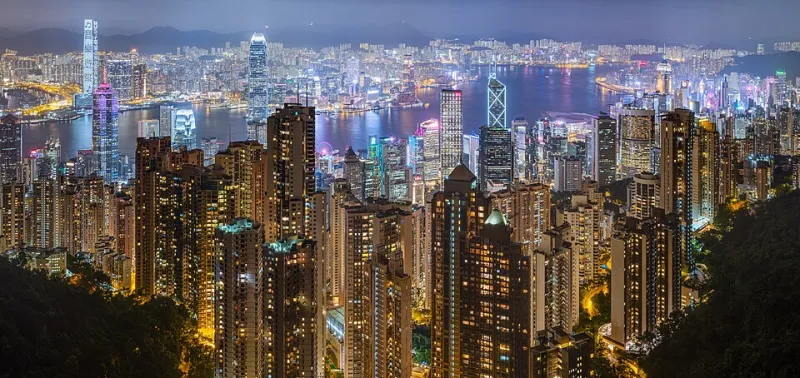
Photo: Benh LIEU SONG (Flickr), CC BY-SA 4.0, via Wikimedia Commons
Let's be honest with ourselves: if you're an American tennis fan who has ever set an alarm for a Davis Cup tie in Hong Kong, you've already done the hard part. You've sacrificed sleep. You've squinted at a pixelated feed while your partner asked why you care so much about a tie between two teams you have no rooting interest in. The only logical next step is to stop watching through a screen and go see it in person.
I did exactly that last season, and what surprised me wasn't the tennis — it was how easily one tie became a ten-day trip. Here's the playbook.
The Layover Loophole That Gets You There
First, the good news for your wallet: you don't need a visa to enter Hong Kong as a US passport holder for stays under 90 days. That's it. That's the hack. No pre-arrival paperwork, no embassy visit, no fees. Book a flight, land at HKG, fill out the arrival card, and you're riding the Airport Express into Central about 25 minutes later.
If you want to stretch the trip further, look at multi-city itineraries. Cathay Pacific and several US carriers will let you route through Hong Kong and home via Tokyo, Taipei, or Singapore for not much more than a round-trip fare. Since Davis Cup ties in this region tend to cluster on weekends, a Friday-through-Monday core with a few buffer days on either side works beautifully.
Timing matters, too. Hong Kong's outdoor tennis calendar runs roughly October through April. Summer here is a sauna with the occasional typhoon thrown in, and a rain-shortened tie is nobody's idea of a bucket list item. Check the draw when the tie is announced, then book flights that same week — regional ties don't exactly sell out, but flights and hotel prices do creep up.
Where the Action Actually Happens
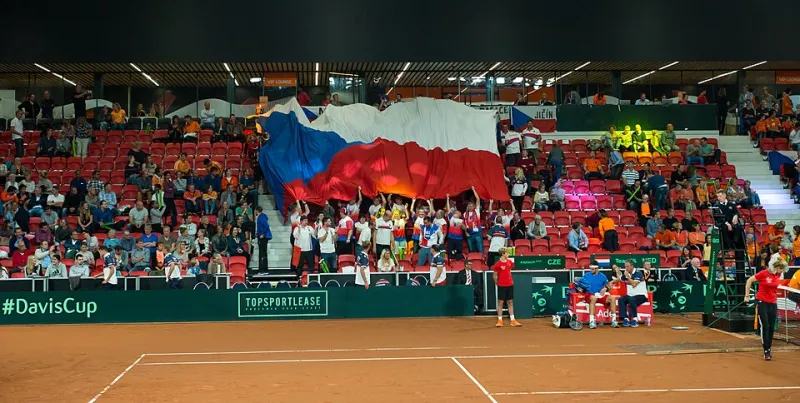
Here's something that catches first-time visitors off guard: Davis Cup ties in Hong Kong are intimate. We're not talking Arthur Ashe Stadium. We're talking a few hundred seats, courts you can hear every grunt from, and players warming up literally a few feet from the fence.
Ties have historically been staged at venues like Victoria Park's tennis complex in Causeway Bay or club courts around Kowloon — check the host announcement when the tie is confirmed, because the venue can shift depending on surface and sponsorship. Either way, you're likely staying within striking distance of the MTR, Hong Kong's absurdly efficient subway system. Get an Octopus card at the airport (it works on trains, buses, 7-Eleven, everything) and you can get from almost any hotel to almost any court in under 40 minutes.
As for the team hotel? Don't expect it to be a secret fortress. Regional teams typically bunk at business hotels near the venue — think the mid-range chains around Tsim Sha Tsui or Causeway Bay. Fans have been known to bump into players at breakfast. Buy your own coffee, be polite, and you might get a photo with the entire doubles team before they've had their first banana.
Stretching One Tie Into a Week
The tie itself will eat up two or three days. Here's how I'd fill the rest:
Day 1–2: Recover and recon. Jet lag from the US is brutal — Hong Kong is 12 to 15 hours ahead depending on daylight saving. Fight the urge to nap. Walk Victoria Park instead, watch the local league players hit in the morning, and get your body clock on local time.
Day 3–4: Tie days. Arrive early. Tickets for regional ties are cheap — often the price of a movie back home — and general admission gets you close enough to hear coaching between sets. Stay for the doubles. Hong Kong's ties have a reputation for tight doubles rubbers, and the crowd noise in a small stadium is a genuine thing.
Day 5: Play yourself. Public courts here are bookable through the Leisure and Cultural Services Department, and off-peak slots can cost less than a fancy latte. Yes, you'll be playing in humidity that makes a Georgia July feel mild. Do it anyway. Tennis on a different continent hits different.
Day 6–7: Regional side quests. This is where the multi-city ticket pays off. Macau is an hour away by ferry. Shenzhen is a train ride. Taipei, with its own passionate tennis scene, is under two hours by air. If a Futures or Challenger event happens to overlap your dates — and in this region, something usually is — you can rack up more live tennis in a week than most US fans see in a year.
The Practical Stuff Nobody Tells You
A few things I wish someone had told me:
- Cash is fading but not dead. Cards and Apple Pay work nearly everywhere, but keep a few hundred HKD for street vendors and older ticket windows.
- The weather app matters more than the schedule. A typhoon signal No. 8 means everything shuts down, including tennis. Build a flex day into your plans.
- Seating is first come, first served at many ties. Show up an hour early, grab a seat in the shade, and you'll thank yourself by the third set.
- Learn two words of Cantonese. "M'goi" (thank you) will get you smiles at every ticket window and congee stall from here to Sha Tin.
Why It's Worth the Air Miles
Look, I love the US tennis scene. I've sweated through USTA sectionals and waited out rain delays at regional tournaments. But there's something about a Davis Cup tie in Hong Kong that you can't replicate stateside: the scale is human, the fans are knowledgeable, and the players — many of whom train on the same public courts you walked past that morning — are accessible in a way that feels almost radical if you're used to arena tennis.
You came for a tie. You'll leave with a week of stories, a sunburn shaped like a stadium seat, and a very specific opinion about humidity and string tension. That's a trade I'd make every season.
Now check the draw, set a fare alert, and pack sunscreen. The courts are waiting.